

















"Power over spice is power over all."
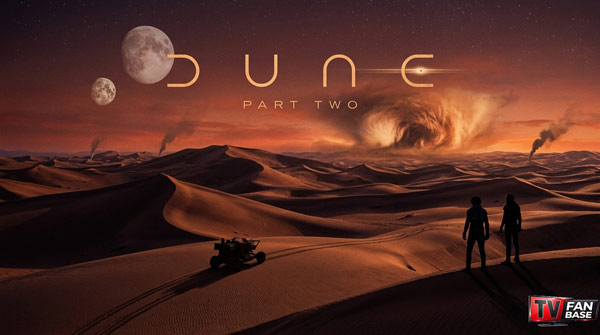
Dune: Part Two is not just a sequel; it is a seismic shift in modern filmmaking. Denis Villeneuve delivers a sensory experience that redefines the "unfilmable" epic.
DUNE: PART TWO
Box Office Breakdown
Awards & Recognition
The Sands of Arrakis
Visions of Fire and Dust
Dune: Part Two is an overwhelming sensory experience that transcends traditional cinema. Hans Zimmer’s score doesn't just play; it vibrates through the theater, utilizing guttural chants, distorted woodwinds, and mechanical drones that ground the alien world in a terrifying reality. Every sound feels like it was unearthed from the sand itself. Greig Fraser’s cinematography captures the desert of Arrakis with such agonizing scale that the viewer can almost feel the heat radiating from the screen and the grit of the spice in their lungs.
The visual aesthetic brilliantly shifts between the warm, oppressive oranges of the Southern Sietch and the terrifying, infrared black-and-white of Giedi Prime. This monochromatic sequence is a technical marvel, using specialized cameras to create a "harsh sun" effect that makes the Harkonnen home world feel utterly devoid of soul. Beyond the visuals, the film masterfully handles the descent into religious fanaticism. Villeneuve avoids the "Chosen One" tropes, instead showing the calculated, almost parasitic way the Bene Gesserit sow legends to control populations. It is a beautiful, brutal, and deeply complex exploration of power that demands to be seen on the largest screen possible.
Cast Performance Audit
A terrifying transformation from a lost boy to a cold, messianic leader.
The emotional anchor who provides the necessary skepticism to Paul's rise.
Chilling, psychotic, and physically imposing. A scene-stealing antagonist.
Commanding and eerie, portraying the religious manipulation of the Bene Gesserit.
TVFanbase Weighted Film Audit
Recommended for You